
Throughout the day Tuesday, the stats for my blog’s hits were climbing at an unusual pace. I recently shared a couple posts over at the Kid Lit Blog Hop, but the rapid increase from my usual numbers seemed to have a different source.
That’s when I realized cindyscreativecorner nominated me for a Liebster Award. (Thanks for including me in this blog discovery trail, Cynthia!)

Liebster Award Rules
- Thank the person who nominated you and link back to their blog.
- Display the Liebster Award on your blog.
- Share 11 random facts about yourself.
- Answer the 11 questions you were asked
- Nominate 11 bloggers with less than 200 followers for the award and have them answer 11 questions.
- Let the other bloggers know you’ve nominated them.
- Copy the rules into your post.
Eleven Random Facts About Me
- My cat’s full name is Webster Oxford Roget Derek Stroebel. (Webster and Oxford for the dictionaries, Roget for the thesaurus, Derek for my journalist husband, and Stroebel for my maiden name.) His initials spell WORDS.
- I accidentally became a children’s author. Growing up, I meant to write for adults.
- Despite my sister thinking they’re cute, I think octopuses are terrifying.
- Pink Starbursts, Nerds, and SweetTarts are my favorite.
- I never saw a mountain until I was 26 years old.
- One of my dearest friends thinks my middle name is Anne. It isn’t … and he’s believed it for so long that it feels awkward to correct him at this point. (By the way … if you’re reading this … sorry!)
- I find it satisfactory to peel things … stickers, bananas, paint. Especially when they peel smoothly and in one piece. (I have a terrible habit of peeling my nails instead of trimming them. People think I bite them, but I pick at them and peel.)
- My maiden name (Stroebel) means “bushy or bristly hair,” or “son of Strubo.” (I guess I know which side of the family I inherited my frizz from. Thanks, Strubo.)
- Some of my favorite scents: vanilla, gasoline, pencil shavings, Sharpie markers
- I’ve read only two books on an e-reader.
- Four times a year I design a regional travel magazine.
Eleven Questions for Me to Answer
- What do you love about blogging? Spreading a love of children’s literature and literacy
- Name something you like about yourself. I’m a dreamer.
- What do you like to do in your spare time aside from blogging? Writing, reading, and spending time with family are favorite pastimes. I also enjoy cooking, going for walks, and research. Webinars are a big part of my life.
- The name of the person who influenced you most. Two influencers stand out: My high school photography teacher is 90 percent of the reason I went to college; and in college I met Angie Barry, a brilliant writer whose commitment to the craft constantly inspires me to stay on task and write.
- What frightens you? Octopuses! (See No. 3 in the previous segment)
- Name two favourite books. “The Last of the Really Great Whangdoodles” and “The Golden Compass”
- Favourite movie. I’ve never had one. Although lately, I’ve been particularly fond of “Inside Out” and “Wreck-It Ralph”
- Bike, Bus, or Car? I’m a car person. Mostly because I live in rural Illinois, where most towns have small populations and are 10+ miles apart. I don’t have the patience or stamina to ride a bike those distances. (Although I wish we had public buses around here — being a passenger means I could read during commutes!)
- What language/languages do you speak? English, with reading/writing proficiency in Spanish
- What places have you visited? Most recently, I’ve been to Colorado, New York, Minnesota and Ohio.
- What do you want to be remembered for? Advocacy of literature and literacy
Eleven questions for my nominees
- E-readers or print editions?
- Share a memory about your childhood.
- What is the most meaningful object you own?
- How would you describe yourself in one sentence?
- How would you describe your closest friend in one sentence?
- What was your favorite book growing up?
- And what is your favorite book now?
- What is one thing you hope to accomplish during your life?
- What is the kindest deed you’ve ever witnessed?
- Tell a joke.
- What gives your life meaning?
The blogs I am nominating
The majority of bloggers I know and/or follow have more than the 200 limit required for the Liebster Award. I don’t want to see the trail run cold at my blog, so I’m going to bend the rules and leave an open invitation to bloggers interested in networking. Feel free to consider yourself nominated if you have fewer than 200 followers and want to join the Liebster Award network through me. The eleven questions I shared above can be used as a starting point for your own Liebster nominations.
As I encounter other bloggers who fit the Liebster criteria, I also will update the post with links to their blog and a nomination.
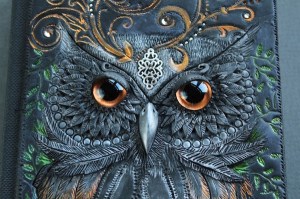 Decorations: Name a book with a gorgeous cover you would proudly display on your shelves.



 Except when I touched them, they curled up and no longer moved.
